Plastic surgery
Fat transfer vs buttock implants: which is right for you?
Medically reviewed by Dr. Mehmet Yılmaz
Quick answer
Fat transfer, the Brazilian butt lift (BBL), uses liposuction to move your own fat into the buttocks for a natural feel, while buttock implants add volume with solid silicone devices. Fat transfer suits people with enough donor fat and slims the harvest area too; implants can add projection when fat is limited but carry implant-specific risks. The right choice depends on your anatomy and goals.
- Fat transfer / BBL reshapes using your own fat: natural feel, and liposuction contours the waist or back at the same time.
- Buttock implants use silicone devices to add projection, useful when you don't have enough fat to harvest.
- A BBL needs adequate donor fat and some transferred fat is reabsorbed; implants are permanent but bring risks like shifting and capsular contracture.
- Neither is simply "better" — it's decided with a qualified surgeon after an in-person assessment.
In this guide
If you want a fuller, more shapely behind, there are two main surgical routes: fat transfer (the Brazilian butt lift, or BBL) and buttock implants. They achieve a similar goal. But they do it by very different means: one borrows fat from elsewhere on your body, the other adds a manufactured device. This guide lays out the honest differences so you can have a productive conversation with a surgeon. It's part of our plastic surgery hub.
It's general information to help you prepare, not medical advice.
How each one works
Fat transfer (BBL)
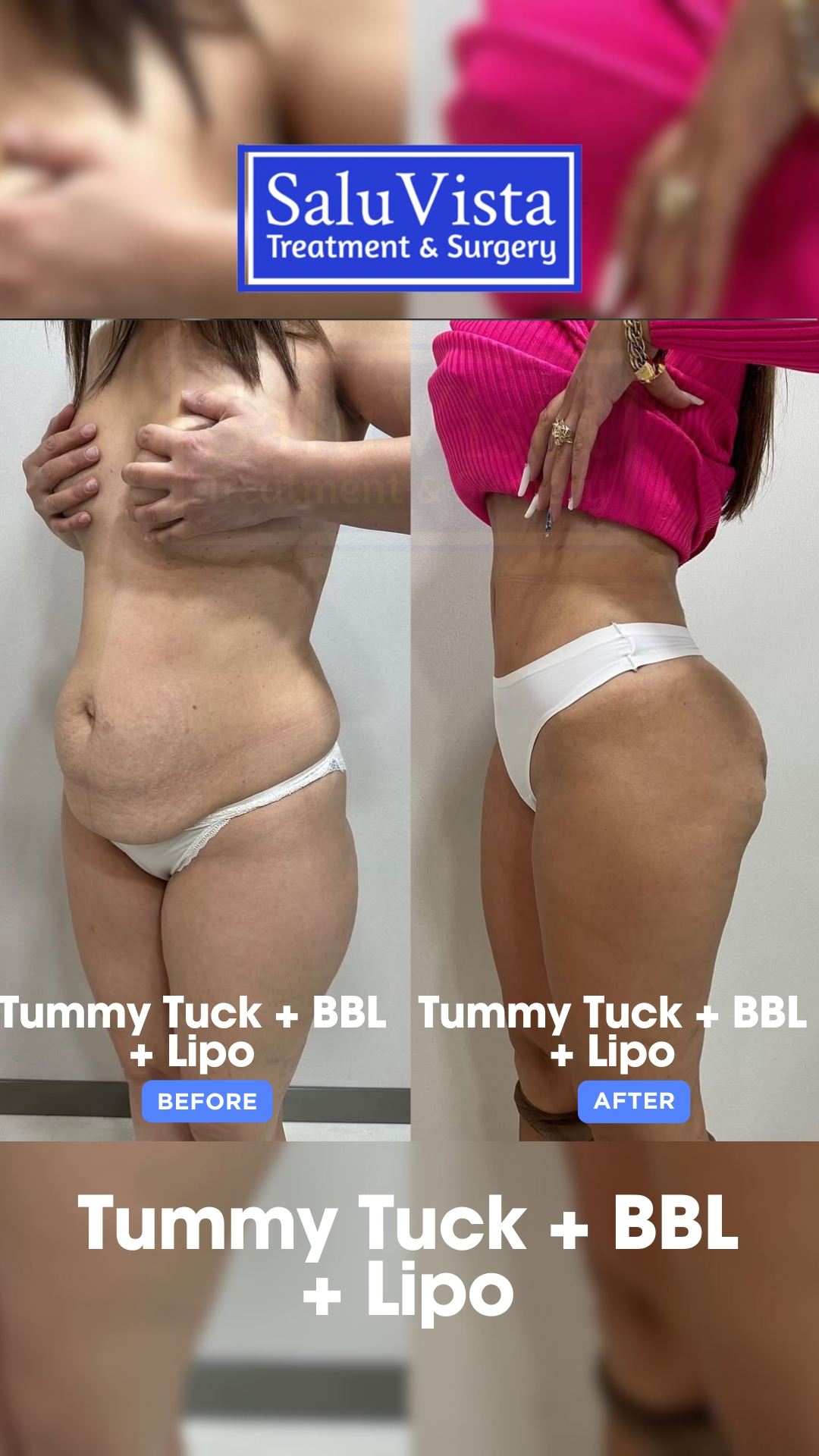
A Brazilian butt lift is a two-part operation. First, liposuction harvests fat from areas where you have a surplus. That's commonly the abdomen, flanks, waist or back. That fat is purified, then injected into the buttocks to add volume and improve shape. Because the fat is your own tissue, results feel soft and natural, and the liposuction contours the donor area at the same time, often enhancing the overall silhouette. The trade-off: you need enough fat to harvest, and a portion of the transferred fat is naturally reabsorbed in the months afterward. Our complete BBL guide covers the procedure in depth.
Buttock implants
Buttock implants are solid silicone devices placed surgically through an incision, usually within or above the gluteal muscle, to add projection and fullness. Unlike breast implants, they're firm and designed to withstand the pressure of sitting. Because volume comes from the device rather than harvested fat, implants can be an option for slimmer patients who lack the donor fat needed for a BBL, or those seeking projection that fat alone can't reliably deliver. They are permanent devices, and like any implant may need revision over time.
Side-by-side comparison
| Fat transfer (BBL) | Buttock implants | |
|---|---|---|
| Volume source | Your own fat | Solid silicone device |
| Feel | Soft, natural | Firmer |
| Bonus contouring | Yes — liposuction slims donor areas | No |
| Needs donor fat | Yes — enough to harvest | No |
| Permanence | Surviving fat is lasting; some reabsorbs | Permanent device (may need revision) |
| Key early risks | Fat reabsorption; fat-injection safety | Shifting, infection, capsular contracture |
| Best suited to | Enough fat + wants natural feel | Slim / limited fat + wants projection |
Who each option suits
The single biggest factor is often how much donor fat you have.
- Fat transfer / BBL tends to suit people who have enough fat to harvest and who want a natural feel plus the slimming benefit of liposuction. It's the more popular route for most candidates.
- Buttock implants may suit slimmer people without enough fat to transfer, or those wanting a degree of projection that fat alone won't reliably achieve.
Sometimes a surgeon will suggest a combined approach, implants for projection with fat grafting to smooth and blend the contour, but combining is only advisable when it's safe for you. A responsible surgeon may also advise a buttock lift instead if loose skin, rather than volume, is the real issue, or advise against augmentation altogether. Our body-contouring lead, Assoc. Prof. Emre G., assesses which route (if any) genuinely fits your anatomy and goals.
A good surgeon sometimes recommends a smaller change, a different procedure, or no surgery at all. That honesty is a sign of quality, not a lost sale.
Safety & risks
Both procedures are major surgery, and neither is risk-free. Understanding the specific risks of each matters more than asking which is "safer" in the abstract.
Fat transfer safety
The BBL historically drew safety concerns because injecting fat too deeply, into or beneath the gluteal muscle, risked fat entering large veins, though reputable surgeons now inject fat only into the layer above the muscle (subcutaneous), which has substantially improved the procedure's safety profile. Choosing a properly qualified surgeon who follows current safety guidance is essential. General safety principles for aesthetic surgery are summarised by the British Association of Aesthetic Plastic Surgeons (BAAPS).
Buttock implant risks
Implants avoid the fat-injection risk but carry their own: infection, shifting or rotation of the device, capsular contracture (hardening of scar tissue around the implant), wound-healing problems given the pressure of sitting, and the possibility of future revision. The NHS guide to cosmetic procedures is a sensible neutral starting point for weighing any elective operation.
Results & longevity
With fat transfer, expect some of the injected fat to be reabsorbed over the first few months; surgeons account for this, but the final shape settles as swelling subsides and the surviving fat stabilises. That surviving fat is generally long-lasting, though significant weight gain or loss can change the result, since it behaves like fat elsewhere. See our BBL recovery timeline for how the shape evolves week by week.
Buttock implants deliver a more predictable, immediate volume that doesn't reabsorb. But they are devices, and over the years may require replacement or revision. Neither procedure can be guaranteed to produce a specific aesthetic outcome; anyone promising an exact result should be treated with caution.
Recovery
Recovery differs in one important way. After a BBL, you'll typically be advised to avoid sitting or lying directly on your buttocks for a period, to protect the newly grafted fat, and to wear compression on the liposuction areas. After implants, the focus is on protecting the incision and letting the device settle, with sitting also restricted early on, and both involve swelling that settles over weeks to months, staged activity, and follow-up. Full, honest recovery expectations are covered in our recovery timeline.
A realistic timeline. Early swelling can make results look bigger than the final outcome. The true shape of either procedure is best judged after several months, not in the first few weeks.
Cost compared
At SaluVista, pricing is transparent and quoted as a guide, then confirmed with an itemised quote after your individual assessment, and a BBL from £3,990 (≈ €4,700) already includes the liposuction needed to harvest fat, while buttock implants start from £4,830 (≈ €5,700). A standalone buttock lift starts from £3,990 where lifting, not added volume, is the goal. Cost should never be the deciding factor between two procedures that do different jobs: the right operation for your body matters far more than the price gap. Our plastic surgery cost guide explains how pricing works.
Not sure whether fat transfer or implants fit you?
Share your goals and a few details, and speak with your surgeon before you travel. You'll get an honest, personalised recommendation. That includes if neither is right for you yet.
Get a free assessment →How to decide
- Get assessed in person. Your fat distribution, skin, anatomy and goals determine which options are realistic.
- Weigh the trade-offs honestly — natural feel and bonus contouring versus predictable projection when fat is limited.
- Choose a qualified surgeon who follows current safety guidance and, if needed, is willing to advise a smaller change or none at all.
- Never decide under pressure or on price alone. A qualified human surgeon makes the final decision with you.
Frequently asked questions
What is the difference between fat transfer and buttock implants?
Fat transfer (the Brazilian butt lift, or BBL) uses liposuction to take your own fat and inject it into the buttocks, giving a natural feel and slimming the donor area at the same time. Buttock implants use solid silicone devices placed surgically to add volume. Fat transfer needs enough donor fat and a portion is reabsorbed; implants can add projection when fat is limited but carry implant-specific risks.
Which is safer, a BBL or buttock implants?
Both are major surgery and neither is risk-free. Historically the BBL carried a notable risk when fat was injected too deep, so reputable surgeons now inject only above the muscle, which has improved safety. Implants avoid that risk but bring their own: infection, shifting, capsular contracture and the chance of future revision. The safest choice depends on your anatomy, fat availability and an in-person assessment by a qualified surgeon.
How long do buttock implants and fat transfer results last?
Buttock implants are permanent devices, though they may need replacement or revision over the years. With fat transfer, part of the transferred fat is reabsorbed in the first few months; the fat that survives is generally long-lasting, but significant weight change can alter the result. No surgeon can guarantee a specific outcome or exact longevity.
Do I need a lot of fat for a BBL?
Yes. A fat transfer needs enough donor fat to harvest by liposuction, usually from the abdomen, flanks or back. Very slim patients may not have enough, which is one situation where buttock implants can be considered instead. A surgeon assesses your fat distribution and goals to advise which is realistic for you.
How much do buttock implants cost at SaluVista?
At SaluVista buttock implants start from £4,830 and a BBL, which includes the liposuction to harvest fat, starts from £3,990. These are guide from prices; your itemised quote is confirmed after an individual assessment. Cost should never be the main reason to choose one procedure over the other.
Can the two be combined?
Sometimes — implants for projection with fat grafting to smooth and blend the contour. Combining is only advisable when it's safe for you, decided with your surgeon after assessment. Get the SaluVista app to start a review of your options.
This article is general information, not medical advice, and does not replace a consultation with a qualified surgeon. Individual results and recommendations vary, and no specific outcome is guaranteed. Always discuss your options and risks with a medical professional.