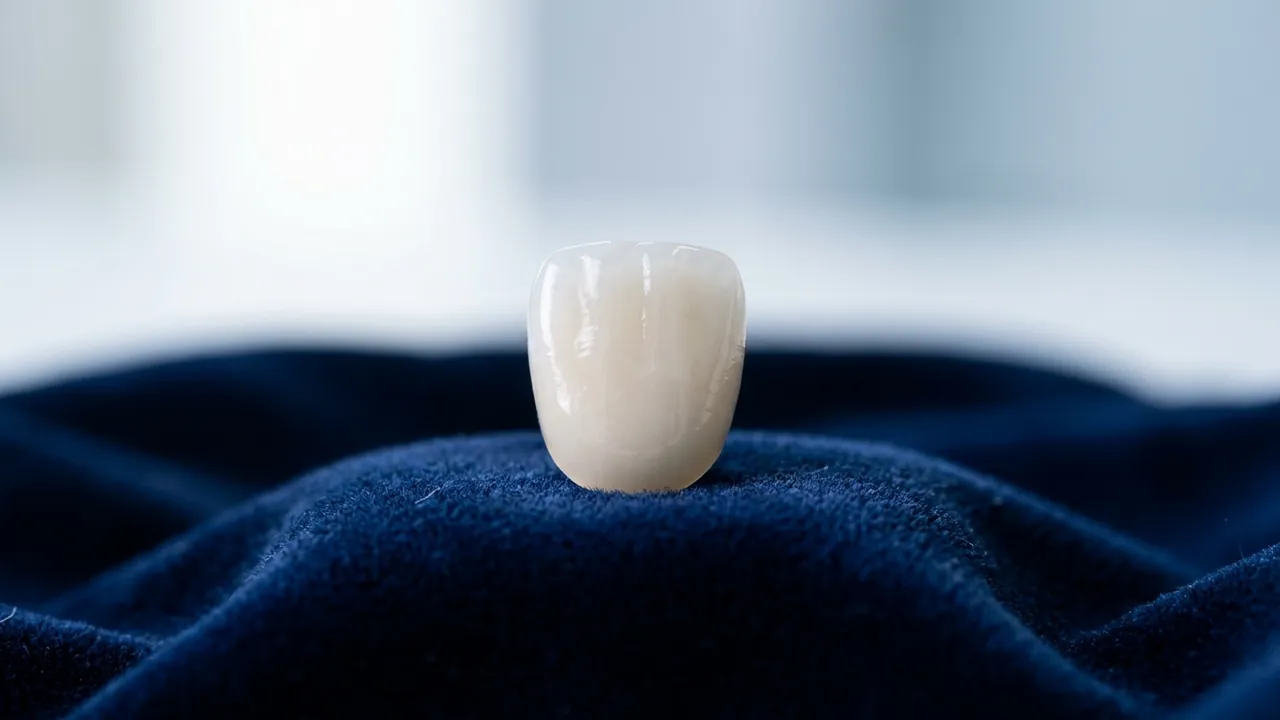
Dental
Is dental tourism in Turkey safe? An honest 2026 guide
Medically reviewed by Dr. Elif Şahin
Quick answer
Dental treatment in Turkey can absolutely be safe, but it hinges on three things: a properly regulated clinic, a qualified and experienced dentist, and aftercare arranged before you fly, because quality between providers varies enormously, and your safety comes down to the specific clinic and dentist you choose far more than the country itself. Vet the individual practice.
- Turkey has many high-standard clinics, but quality is uneven, so the provider matters more than the destination.
- Check the clinic is licensed, your dentist is named and registered, and the plan is written and itemised.
- The biggest red flag is pressure to file down healthy teeth or decide quickly on price alone.
- Agree aftercare and warranty in writing before you go, and keep all your records.
In this guide
"Is it actually safe?" is the question we field more than any other about Turkey, and it deserves a straight answer instead of a sales pitch, so here's the honest version: it depends far more on the clinic and dentist you choose than on the country. Turkey has plenty of excellent, modern dental clinics. It also has some that aren't, because standards vary everywhere. This guide walks you through what to check, what to avoid, and how to plan aftercare, so the decision you make is a safe and informed one.
It's general information to help you prepare, not medical advice.
The honest short answer
Turkey is now one of the busiest dental destinations on the planet, pulling in patients from the UK, Europe and the Gulf on the strength of good clinical expertise and lower prices. A lot of clinics work with the same materials, equipment and techniques you'd find in London or Berlin, but volume cuts both ways: with so many providers, quality is uneven, and a handful cut corners or over-treat to pad the bill.
So the safety question isn't really about the country. It's local and specific. A well-chosen clinic, with a named and experienced dentist and clear aftercare, can give you safe, high-quality results, while a clinic picked purely on the lowest price, with nobody named and no follow-up plan, is a real gamble. The rest of this guide is about telling those two apart, and if you're weighing up destinations, our Turkey vs UK dental comparison puts cost, standards and convenience side by side.
How Turkish dentistry is regulated
Clinics in Turkey are licensed and inspected by the Turkish Ministry of Health, and every dentist has to be registered to practise. Reputable clinics are open about all of this. They name your treating dentist, list their qualifications, and show you the practice's licensing without being pushed. Anonymity is the opposite signal. You should always know exactly who is doing your treatment.
Travelling from the UK? It helps to know how the regulation differs from home. British dentists are registered with the General Dental Council (GDC), which sets standards and handles complaints, though once you're treated abroad, that particular UK route to complaints and redress no longer works the same way, which is precisely why a well-regulated clinic and a full set of records count for so much. The fundamentals of good oral health don't change at the border, so resources like the NHS guide to healthy teeth and gums apply wherever you're treated.
Key idea: regulation only protects you if you actually use it. Confirm the clinic's licence, insist on a named registered dentist, and hold on to every document, x-ray and material record. Those records are what let any dentist, whether at the clinic or back home, help you down the line.
How to choose a good clinic & dentist
Choosing well is the single biggest thing within your control. Run through this checklist before you commit to anything.
Verify the people, not just the brand
- A named, registered dentist. You should know who's treating you and be able to look at their qualifications and experience. At SaluVista, prosthodontic work like veneers, crowns and full smile design is led by Dr. Zeynep Y., and implant and bridge cases go to our oral implantologist Dr. Cansu A.
- Relevant experience. You want a dentist who does your specific treatment week in, week out, whether that's implants, crowns or veneers, not a generalist stretched thin across all of it.
- Direct contact before travel. If you can speak with the dentist beforehand, and not just a salesperson, that's a strong safety signal in itself.
Insist on a written, itemised plan
A trustworthy clinic hands you a written treatment plan that sets out exactly what's proposed and why, which materials go in, how many appointments it takes, and the full itemised cost with nothing tucked away. Vague "packages" with no breakdown make it impossible to tell whether the plan is right or the price is fair, but for a feel for realistic pricing, see our guides to dental crowns in Turkey and the Hollywood smile.
Ask about materials, hygiene and technology
Ask which brands of implants, crowns or veneers they use, how sterilisation is handled, and what imaging (3D CT scanning, for instance) feeds into the planning. A good clinic answers plainly and without fuss. The ADA's MouthHealthy is a useful neutral reference for getting your head around common treatments before you ask.
Red flags to walk away from
If any of these show up, slow right down, and be prepared to walk away, because no smile is worth aggressive, irreversible work you never needed in the first place.
| Red flag | What good looks like |
|---|---|
| No named dentist; only sales staff | Named, registered, experienced dentist you can speak to |
| Pressure to decide today for a "discount" | Time and space to consider, no pressure |
| Many healthy teeth filed down for crowns/veneers | The least invasive option that meets your goal |
| Vague package, no written itemised plan | Clear written plan, materials and costs itemised |
| No aftercare or warranty mentioned | Aftercare and warranty agreed in writing |
| Price far below everyone else | Transparent pricing that reflects real materials and time |
The third one matters most. Be wary of any clinic that's quick to suggest a mouthful of healthy teeth be ground down for crowns when veneers or a more conservative option could get you to the same place. Filing down healthy teeth can't be undone. It should never be the default just because it's faster or pays better.
Protecting healthy teeth: the conservative-care test
A good dentist protects healthy tooth structure and reaches for the least invasive option that meets your goal: say you describe what you're after, a brighter and straighter smile. The reply should start with the gentlest route: whitening, minimal-prep or no-prep veneers, or orthodontics, long before anything that strips away large amounts of enamel, and if crowns really are the right clinical call, a conservative dentist tells you why, and what the alternatives were.
A simple test: does the plan take away the least amount of healthy tooth needed to reach your goal? If a clinic jumps straight to the most aggressive, irreversible option, ask why, and get a second opinion.
This matters because you can't take irreversible work back. Zirconium crowns at SaluVista start from £190 / $255 per tooth and veneers from £320 / $430 per tooth (roughly €225 and €380), but the question that counts is never just "how much?" It's "is this the least invasive treatment that will actually work for me?"
Aftercare from abroad: plan it before you fly
Aftercare is where the cheap, corner-cutting providers tend to fall apart, and it's also where it matters most, so sort it out before you travel, not once you're back home.
Agree the essentials in writing
- Warranty and guarantee terms: what's covered, for how long, and what voids it.
- Follow-up: how the clinic checks your healing and results remotely, and who you contact.
- Local-dentist coordination: how a problem at home would be handled, and which records you'll take with you.
Keep your records
Take home your treatment plan, your x-rays, and the details of the exact materials used, right down to the implant brand and size and the crown type. If you ever need a dentist at home to step in, those records make it simple, and a serious provider stays reachable after you fly home and helps coordinate your care; going silent the moment payment clears is a red flag all on its own.
Realistic expectations: no ethical dentist will promise a result is "permanent" or will "last forever." Crowns, veneers and implants are durable and can last many years with good care, but how long they last depends on your oral health, your habits and your maintenance. Anyone guaranteeing a lifetime result is overselling it.
Want an honest opinion before you commit?
Send us your case and a few photos, and speak with your SaluVista dentist before you travel. You'll get a transparent, itemised quote and a straight answer, including whether a more conservative option would suit you better.
Talk to a dentist on WhatsApp →How SaluVista is built to reduce the risk
SaluVista is an Istanbul-based medical-travel platform (an Orozan company) built to take the guesswork out of what makes dental tourism risky, and here's how our safeguards line up with the checklist above:
- You speak with your dentist before travelling, not only a coordinator, so your plan is understood and agreed well in advance.
- Named, experienced clinicians lead your care: Dr. Zeynep Y. for veneers, crowns and smile design, and Dr. Cansu A. for implants and bridges.
- Screening and booking happen in the app, and a qualified human makes the final call on whether treatment is appropriate. Nothing is automated or rushed.
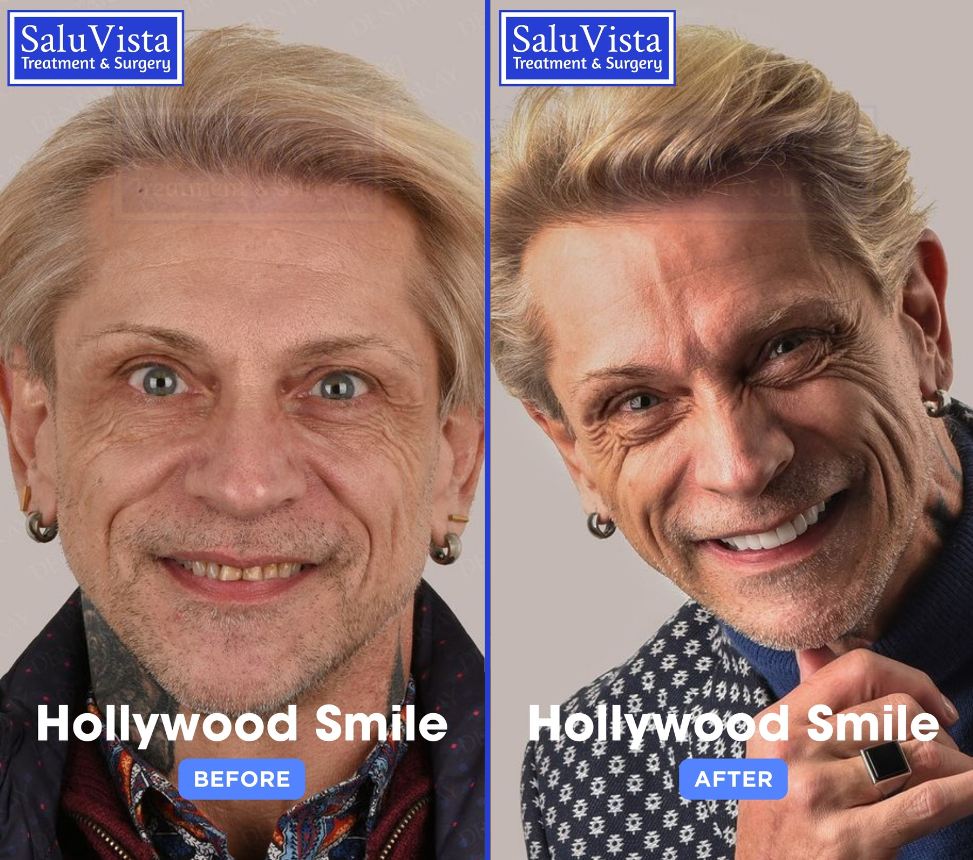
- Transparent, itemised quotes confirmed after assessment, so neither the cost nor the plan springs any surprises. A full Hollywood smile, for instance, starts from £5,000 / $6,730 depending on the plan, and it's always set out line by line.
- Conservative-care first: the aim is the least invasive option that meets your needs while protecting healthy tooth structure.
You can browse treatments and pricing on our dental hub, or just start a conversation and get a personalised, no-pressure assessment.
Frequently asked questions
Is dental tourism in Turkey safe?
It can be safe when you choose a properly regulated clinic and a qualified, experienced dentist, and plan aftercare in advance. Turkey has many high-standard clinics, but standards vary widely between providers. Safety depends far more on the specific clinic and dentist you pick than on the country, so vetting the individual practice is essential.
How do I check a Turkish dental clinic is legitimate?
Confirm the clinic is licensed by the Turkish Ministry of Health and that your treating dentist is named and registered, not anonymous. Ask to see the dentist's qualifications, look for a written itemised treatment plan, clear sterilisation and materials information, and honest before-and-after expectations. A reputable clinic answers these questions willingly and never pressures you to decide quickly.
What are the red flags of an unsafe dental clinic?
Warning signs include prices that seem too good to be true, pressure to commit immediately, no named dentist, recommending that many healthy teeth be filed down for crowns or veneers, vague or missing written plans, no clear aftercare, and reviews that read as fabricated. Any push toward aggressive, irreversible work on healthy teeth is a serious red flag.
How does aftercare work if there is a problem at home?
Before you travel, agree in writing what aftercare, warranty and follow-up the clinic provides, and how issues are handled remotely or through a local dentist. Keep all records, x-rays and material details so a dentist at home can help if needed. A serious provider stays reachable after you return and coordinates care rather than going silent.
Is cheap dental work in Turkey worth the risk?
Lower cost is not automatically a risk, but the lowest price often is. Very cheap packages can cut corners on materials, time and aftercare, or push unnecessary treatment to raise the total. The safest approach is to compare qualifications, materials, an itemised plan and aftercare, and treat an unusually low quote as a reason for more questions, not fewer.
Do I speak to a dentist before travelling with SaluVista?
Yes. You speak with your dentist before travelling, screening and booking happen in the app, and a qualified human makes the final decision on whether treatment is appropriate. You receive a transparent, itemised quote confirmed after assessment. Get the SaluVista app to start.
This article is general information, not medical advice, and does not replace a consultation with a qualified dentist. Individual results and recommendations vary. Always discuss your options and risks with a dental professional.
Sources & further reading
- General Dental Council (UK dental regulator) — standards, registration and how UK complaints and redress work.
- NHS — Healthy teeth and gums — trusted guidance on oral health and dental care.