Hair transplant
DHI hair transplant (Choi pen): how it works
Medically reviewed by Dr. Ferhat Demiroğlu
Quick answer
DHI (Direct Hair Implantation) is a hair transplant technique where extracted follicles are loaded into a Choi implanter pen and placed straight into the scalp, and the pen opens the site and inserts the graft in one movement, so there is no separate channel-cutting step. That gives the surgeon fine control over angle and direction. And the depth of each hair.
- The Choi pen combines making the incision and placing the graft into a single action.
- This gives close control over angle, direction and density, which suits hairlines and detailed work.
- Versus classic FUE, DHI skips the separate channel-opening stage but is often slower per graft.
- Recovery is similar to other modern methods — most people are back to normal activity within days, with growth developing over months.
In this guide
Start reading about hair restoration and the initials pile up fast: FUE, DHI, sapphire, but this page sticks to DHI and the tool it's built around, the Choi implanter pen. Here's what it actually does, the control it hands a surgeon, and how it stacks up against FUE, so you walk into a consultation asking sharper questions. For the wider picture, our hair transplant hub is the place to begin.
Consider it background to help you prepare, not medical advice.
What DHI is
DHI stands for Direct Hair Implantation. Like FUE, it begins by harvesting individual follicular units, the natural groupings of one to four hairs, from a donor area, usually the back and sides of the scalp, where hair tends to resist thinning. Hair loss itself has plenty of underlying causes, so before you weigh up surgery it's worth reading the NHS overview of hair loss to work out what's driving yours.
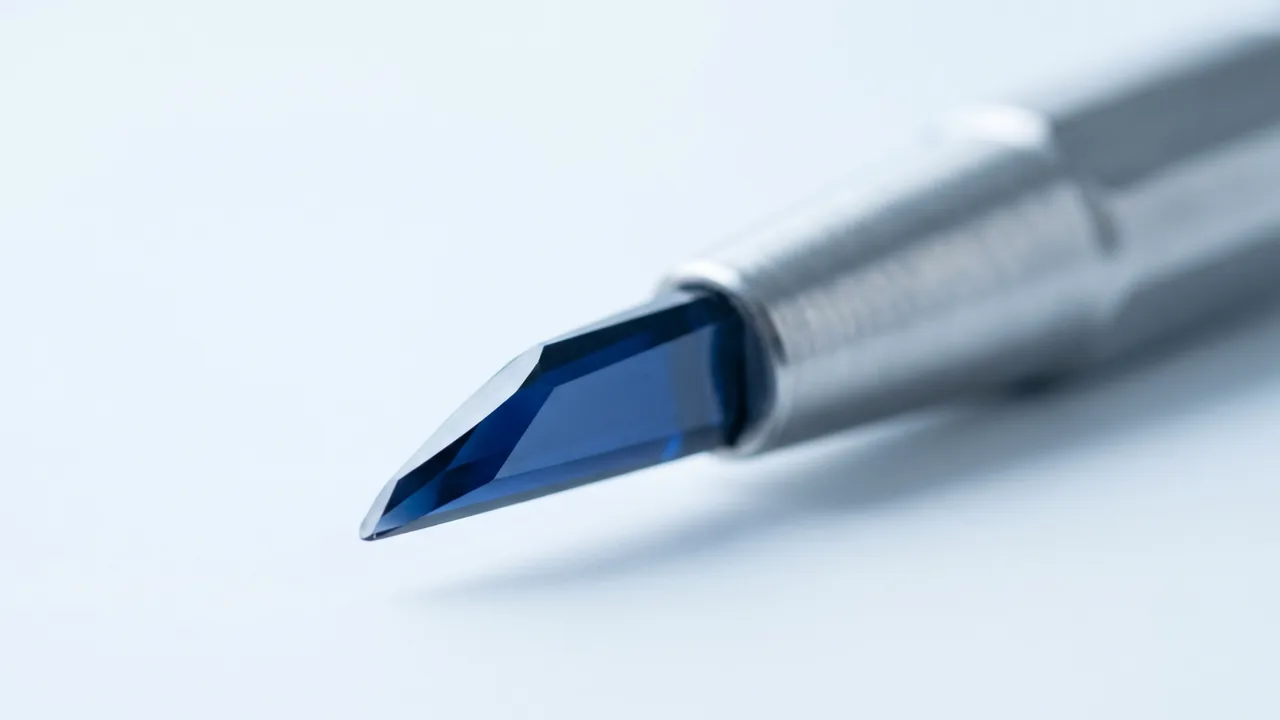
What sets DHI apart is the implantation step. Rather than cutting recipient channels first and then placing grafts into them, DHI relies on a specialised implanter pen that handles both jobs in one go, and the Choi implanter is the one you'll hear about most, which is why DHI often gets called the "Choi pen technique".
How the Choi pen works
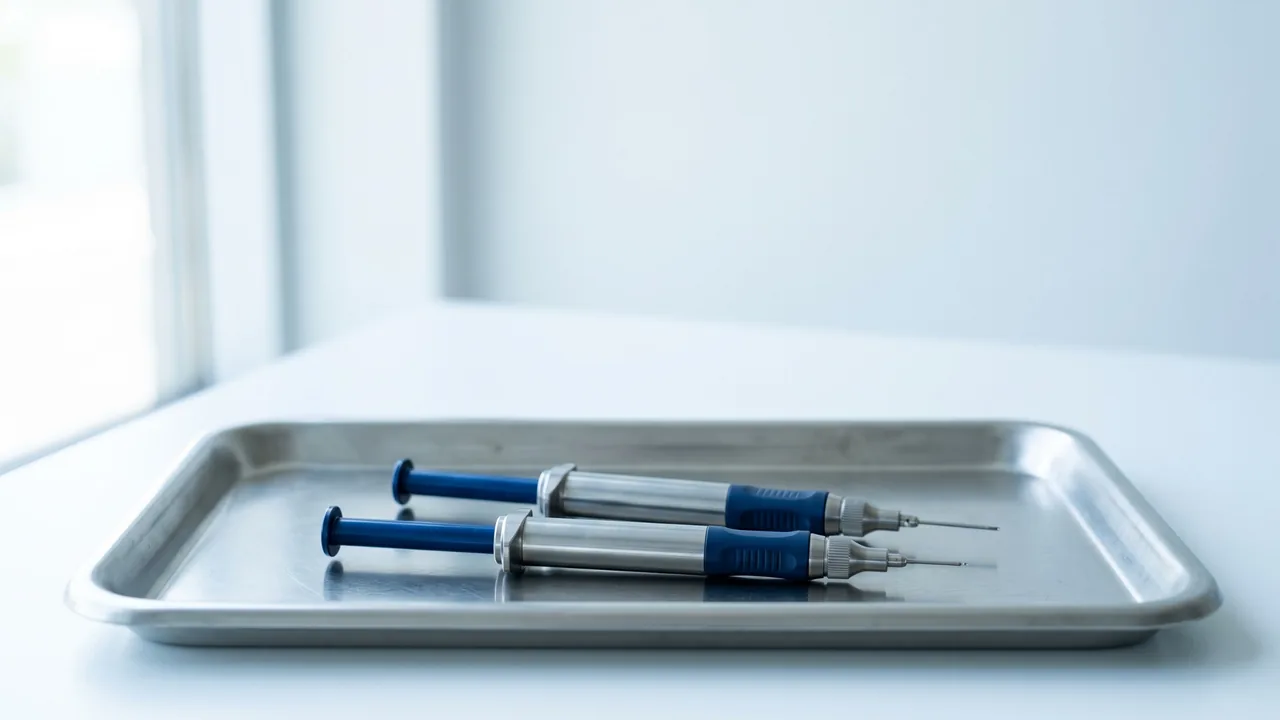
The Choi implanter is a pen-shaped device. It has a hollow needle at the tip and a plunger inside. Here's the sequence:
- Extraction. Follicular units are removed one by one from the donor area, just as in FUE.
- Loading. A technician carefully loads each graft into the hollow tip of the pen, so the follicle sits ready inside the needle.
- Placement. The surgeon presses the tip into the scalp at a chosen point, angle and depth, then pushes the plunger to release the graft as the needle withdraws.
Because the needle creates the incision and delivers the follicle in the same motion, there is no pre-cut channel sitting open, waiting to be filled, and most clinics run several pens at once, with interchangeable tips of different diameters matched to graft size, so the team keeps a steady rhythm. The surgeon picks each site by hand, in real time. So the outcome leans heavily on the experience and artistry of the person holding the pen.
Why "direct"? The name refers to grafts going directly from the loaded pen into the scalp, with no separate channel-opening phase. It does not mean the follicles skip the normal handling and preparation every graft needs.
Control over angle, direction and density
The strongest case for DHI is precision. Hair that looks natural doesn't shoot straight out of the scalp; it exits at particular angles and flows in directions that shift across the hairline, crown and temples. Because the Choi pen fixes the angle, direction and depth at the moment of placement, a skilled surgeon can:
- Match the natural exit angle of surrounding hair, which matters most at the frontal hairline.
- Steer growth direction so hair lies the way it should as it grows out.
- Place grafts closely for density in a defined area, useful for detailed, small-zone work.
It's why DHI gets picked so often for hairline and frontal work. A few degrees of angle decide whether the result reads as natural. Getting that front edge right is a design job in its own right, and our guide to hairline design walks through how surgeons plan a hairline that suits your face and still looks right as you age. Even so, the pen doesn't supply the artistry; the surgeon does. The International Society of Hair Restoration Surgery (ISHRS) is clear about one thing. Outcomes hinge on the training and judgement of the surgical team, whichever technique is used.
The pen is only as good as the hand guiding it. Ask about the surgeon's experience with DHI specifically, not just the equipment on offer.
DHI vs FUE at a glance
| DHI (Choi pen) | Classic FUE | |
|---|---|---|
| Extraction | Individual follicular units | Individual follicular units |
| Channel & placement | Combined in one action via pen | Channels opened first, then grafts placed |
| Angle/direction control | Set live at placement | Set when channels are created |
| Time grafts are outside body | Can be shorter per graft | Varies with technique |
| Speed for very large sessions | Often slower | Often more efficient |
| Common use | Hairlines, dense small zones, some unshaven cases | Large areas, high graft numbers |
Want a proper head-to-head? Our dedicated FUE vs DHI comparison goes deeper. And bear in mind that "FUE" isn't one fixed thing either. The sapphire FUE technique, for instance, uses sapphire blades to open the channels.
Pros and cons of DHI
Potential advantages
- Fine angle, direction and depth control at the point of placement.
- No separate channel-opening step, which can shorten the time a graft spends outside the body.
- Well suited to hairlines and detailed, high-density small areas.
- Can support unshaven or partially shaven recipient approaches in suitable cases.
Honest trade-offs
- Often slower per graft, which can make it less practical for very large single sessions.
- Highly technique-dependent — loading and placing grafts with the pen demands a well-drilled, experienced team.
- It is a method, not a magic result; density and coverage still depend on your donor supply and biology — see our guide on how many grafts you actually need.
No guarantees. No technique, DHI, FUE or any other, can promise a specific number of surviving grafts, a fixed density, or a "permanent" outcome. Be cautious of any clinic that markets certainty. A realistic plan is built around your donor area and goals.
Procedure & recovery
A DHI session usually runs across several hours, sometimes a full day for larger areas, under local anaesthetic, and the donor area is trimmed so follicles can be harvested; depending on the case, some clinics offer an unshaven approach for the recipient zone.
Recovery tends to follow the same arc as other modern transplants:
- First days: the scalp is tender; tiny scabs form around each graft. Most people resume everyday activities within a few days.
- One to two weeks: scabs typically shed. Careful washing and aftercare, exactly as your clinic instructs, protect the new grafts.
- Weeks to months: transplanted hairs commonly shed first — this is expected — before new growth gradually emerges. Visible change develops over many months, not weeks.
It's still surgery, so screening beforehand and follow-up afterwards genuinely matter. At SaluVista you speak with your surgeon before you travel; booking and screening run through the app, and a qualified human makes the final decision on your plan.
Wondering if DHI is right for your hairline?
Share a few photos and your goals. A specialist gives you an honest, personalised view, including which technique actually fits your donor area and case.
Get a free assessment →Who DHI suits — and the SaluVista approach
DHI tends to suit people set on a natural frontal hairline. It also suits anyone after dense, detailed work in a defined area, or candidates weighing up less-shaven options. It's a weaker choice as the only method when someone needs very high graft counts across a large area in one sitting, where efficiency counts for more.
At SaluVista, hair restoration is led by Op. Dr. Caner K., a board-certified plastic surgeon. More than 10,000 surgeries performed. The technique is matched to you rather than sold as a one-size headline. Pricing stays plain: a hair transplant starts from £1,500 / $2,020 (approximately €1,750) for a single session with an unlimited number of grafts, all-inclusive, and your final plan is confirmed after assessment. Our hair transplant cost guide breaks down what shapes that figure.
Frequently asked questions
What is a DHI hair transplant?
DHI (Direct Hair Implantation) is a technique where extracted follicular units are loaded into a Choi implanter pen and placed directly into the scalp. The pen creates the incision and inserts the graft in one movement, so there is no separate channel-opening step. This gives the surgeon close control over the angle, direction and depth of each graft.
What is the difference between DHI and FUE?
Both DHI and FUE extract individual follicular units from a donor area. The difference is placement. In classic FUE the surgeon first opens recipient channels, then places grafts into them. In DHI the Choi pen opens the site and implants the graft in a single action, which can reduce the time grafts spend outside the body and give fine control over angle and density.
Do you need to shave your head for DHI?
The donor area usually needs to be trimmed so follicles can be extracted. DHI is sometimes offered as an unshaven or partially shaven option for the recipient area, which can appeal to people who want to keep existing longer hair. Whether this is suitable depends on your case and is decided during assessment.
Is DHI better than FUE?
Neither is universally better. DHI can offer precise angle and direction control and is often used for hairlines and dense packing in smaller areas. FUE can be more efficient for very large sessions. The best method depends on your goals, the area treated and your surgeon's judgement, not on the name of the technique alone.
How long does DHI take to heal?
Most people return to everyday activities within a few days. Small scabs around the grafts typically form and shed over roughly one to two weeks. Transplanted hairs commonly shed in the first weeks before new growth begins, with visible results developing gradually over many months. Your clinic gives you specific aftercare instructions.
How much does a DHI hair transplant cost at SaluVista?
A hair transplant at SaluVista starts from £1,500 / $2,020 (approximately €1,750) for a single session with an unlimited number of grafts, all-inclusive. Your final plan and quote are confirmed after assessment, because the right technique and graft count depend on your individual case. Get the SaluVista app to begin.
This article is general information, not medical advice, and does not replace a consultation with a qualified doctor. Individual results and recommendations vary, and no outcome can be guaranteed. Always discuss your options and risks with a medical professional.
Sources & further reading
- NHS — Hair loss (causes, when to see a doctor)
- International Society of Hair Restoration Surgery (ISHRS) (professional standards and patient information)