Hair transplant
FUE vs DHI hair transplant: which is right for you?
Medically reviewed by Dr. Ferhat Demiroğlu
Quick answer
FUE and DHI harvest grafts in exactly the same way; the whole difference is in how those grafts go back in, with classic FUE opening the recipient channels first and placing grafts afterward, efficiently, over large areas. DHI instead loads and places each graft in a single Choi-pen movement. That control covers both angle and depth. Neither is universally best.
- Same harvest, different implant: both extract grafts one by one; only the placement method differs.
- FUE is versatile and efficient for larger areas and full-scalp coverage.
- DHI offers precise control of angle and direction, often favoured for hairline detail.
- The right choice depends on your hair loss, donor area and goals, decided with a qualified surgeon.
In this guide
People compare FUE and DHI as if they were two different operations. They aren't. Both are modern follicular-unit techniques that take grafts one at a time. Where they part ways is the moment those grafts go back in. The rest of this page walks through each method plainly, so you can sit across from a surgeon and actually follow the conversation about which one fits your case.
It's background to help you prepare, not medical advice. For the wider picture, see our hair transplant hub.
How each technique works
FUE (Follicular Unit Extraction)
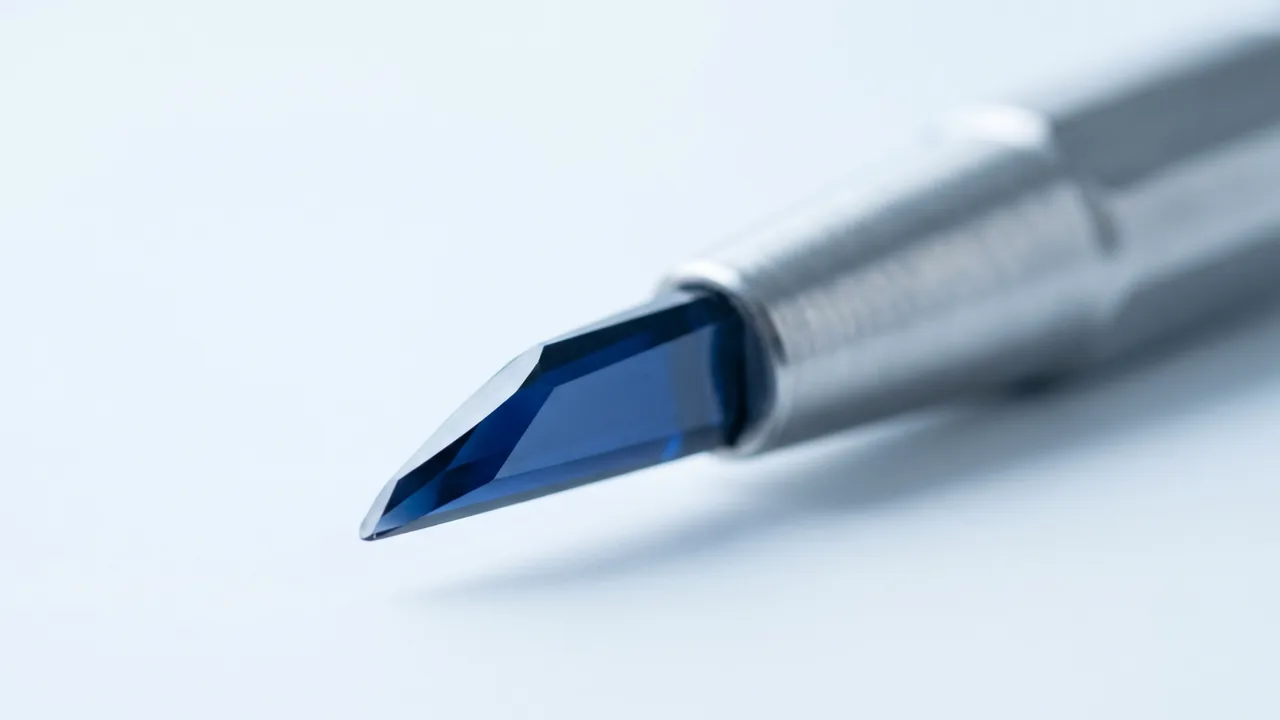
FUE starts with a tiny circular punch. The surgeon uses it to take out follicular units one at a time. A follicular unit is just a natural grouping of one to four hairs, and they come from the donor area, usually the back and sides of the scalp. Only once the grafts are out does the recipient area get prepared: the surgeon opens small channels at the right angle and density, then sets each graft into them. Splitting the work into two steps like this is exactly what makes FUE so flexible and efficient over large areas, and it's also why the sapphire FUE variation exists, swapping steel for sapphire-tipped blades that some surgeons prefer for finer incisions.
DHI (Direct Hair Implantation)
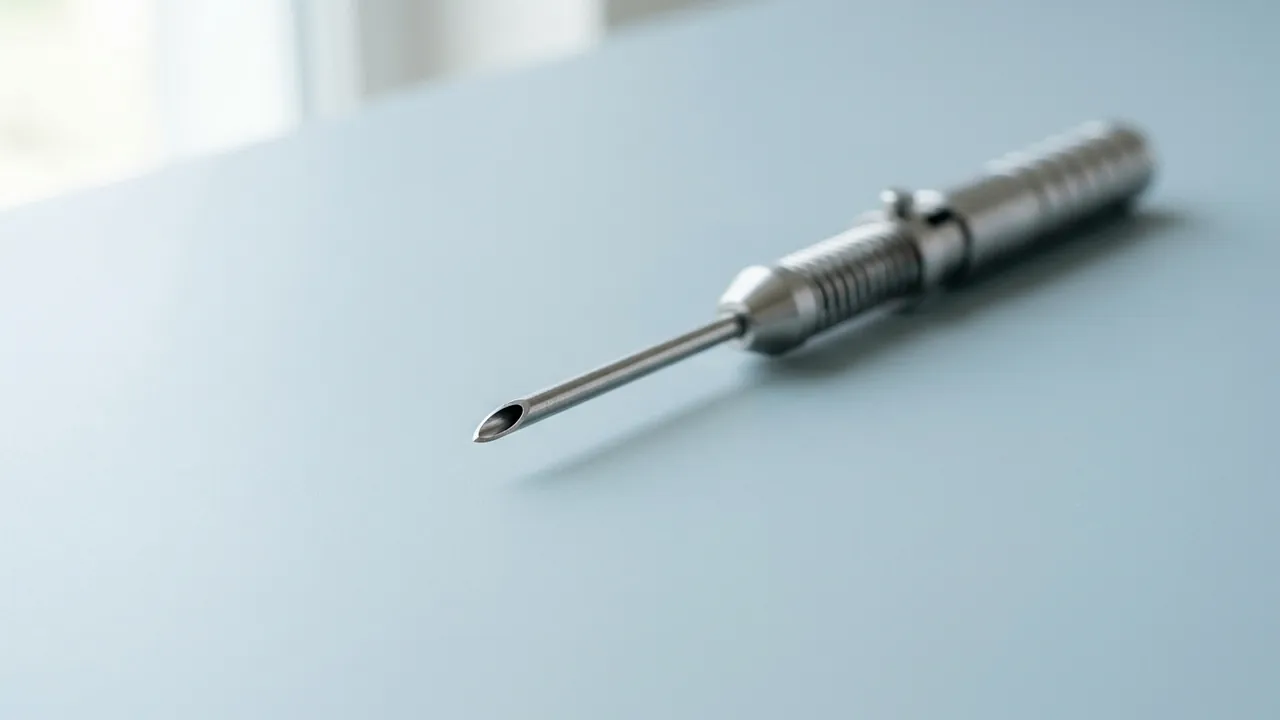
DHI harvests grafts the very same follicular-unit way; it's the implantation that changes. Here each graft is loaded into a Choi implanter pen, a fine hollow-needle tool that opens the channel and sets the follicle in a single movement, so the surgeon controls the angle, depth and direction of every graft at the exact moment it goes in, with no separate channel-opening step. Our DHI guide covers the technique in full.
The key idea: FUE and DHI share the same extraction. What sets them apart is placement. FUE opens channels first and places grafts after. DHI does both together, with an implanter pen.
Side-by-side comparison
| FUE | DHI | |
|---|---|---|
| Harvesting | Individual follicular units | Individual follicular units |
| Implantation | Channels opened first, then grafts placed | Channel and placement in one step (Choi pen) |
| Angle & direction control | Set when channels are made | Direct control as each graft is placed |
| Best suited to | Larger areas, full-scalp coverage | Hairline detail, smaller precise zones |
| Shaving | Donor usually shaved; recipient often shaved | Can allow less shaving of recipient in some cases |
| Session length | Often efficient over big sessions | Can take longer per graft |
| Donor scarring | Tiny dot scars, usually discreet | Tiny dot scars, usually discreet |
Scarring & the donor area
Both FUE and DHI are follicular-unit extraction methods. Neither leaves the long strip scar of older strip-harvest (FUT) surgery. The grafts come out through tiny circular punctures in the donor area instead, and those usually heal into small dots that are hard to spot once your hair grows back over them. Between a well-done FUE and a well-done DHI, the scarring difference is genuinely small, because what counts for more is harvesting quality, how sparingly the donor area is used, and how you personally heal, none of which has much to do with the label on the technique. The NHS lists hair transplants as a recognised surgical option for hair loss. It notes they aren't suitable for everyone.
Density & precision
The implanter pen lets a DHI surgeon place grafts close together while keeping precise control of angle and direction, which is why so many reach for it on delicate work like designing a natural hairline. FUE is the more versatile workhorse. It covers larger balding areas efficiently in a single session. Here's the honest part, though: the density you actually walk away with rests far more on your donor supply, the size of the area being treated and your surgeon's skill than on whichever tool is in their hand.
No technique creates hair you don't have. Density is limited by your donor area. A good surgeon plans for a natural result you can maintain over decades, not just the first year.
The International Society of Hair Restoration Surgery (ISHRS) emphasises that outcomes depend heavily on proper patient selection and surgical planning rather than on any single device or brand name.
Procedure & recovery
Recovery shares the same extraction method. So FUE and DHI recover in a broadly similar way. Both are day procedures, usually done under local anaesthetic. At first, expect some redness, tiny scabs and mild swelling. These typically settle within one to two weeks. Most people are back to everyday activities within a few days, steering clear of strenuous exercise, direct sun and anything that rubs the grafts while they anchor.
One stage catches people off guard even though it's entirely normal: shock loss. The transplanted hairs often shed in the first few weeks, before the follicles settle into a new growth cycle, and regrowth then builds over the following months until the fuller result takes shape over roughly a year. Stick closely to your surgeon's aftercare instructions. Whichever technique you had, that gives the grafts their best chance to take.
Who each option suits
- FUE may suit people needing coverage over larger areas or a full-scalp restoration, where efficiency across many grafts matters.
- DHI may suit people focused on hairline design or smaller, detailed zones where fine control of angle and direction is valuable.
- Many good clinics are fluent in both and may even combine approaches within one plan. The technique should follow your anatomy and goals, not the other way round.
At SaluVista, hair restoration is led by Op. Dr. Caner K., a board-certified plastic surgeon with 10,000+ surgeries behind him, and he assesses your donor area, hair characteristics and degree of loss before he'll recommend an approach. You speak with your surgeon before you travel. A qualified human, not an algorithm, makes the final call on suitability.
Not sure whether FUE or DHI fits you?
Share a few photos of your hairline and donor area, and a specialist gives you an honest, personalised recommendation, including whether a transplant is right for you at all.
Get a free assessment →Cost & what's included
Technique is only one line in the price conversation. At SaluVista, a hair transplant starts from £1,500 / $2,020 (approximately €1,750) for a single session with an unlimited number of grafts, all-inclusive, with your final plan confirmed after assessment. Because the quote doesn't climb with graft count, you and your surgeon can decide between FUE and DHI on clinical grounds instead of cost per graft, and our hair transplant cost in Turkey guide has the full breakdown of what shapes pricing. If you're also weighing Turkey against a provider closer to home, our Turkey vs UK comparison lays out the honest trade-offs.
A note on marketing: "DHI" and premium-sounding brand names are sometimes used to justify higher prices, but a transparent, all-inclusive quote and a surgeon-led plan matter more than the label on the technique.
How to decide
- Get assessed. Your donor area, hair type and degree of loss shape which technique is appropriate.
- Focus on the surgeon, not just the tool. Skill and planning drive results more than FUE vs DHI alone — see our guide on what makes a hair transplant safe.
- Ask what's included. Compare all-inclusive plans, not headline prices, and speak with your surgeon before you commit.
Frequently asked questions
What is the difference between FUE and DHI hair transplant?
Both FUE and DHI extract individual follicular units from a donor area, so the harvesting step is essentially the same. The difference is implantation. In classic FUE the surgeon first opens channels in the recipient area and then places the grafts; in DHI the grafts are loaded into a Choi implanter pen that opens the channel and places the follicle in one movement. DHI gives finer control over angle and depth, while FUE can be faster over large areas.
Does DHI leave less scarring than FUE?
Both are follicular-unit extraction methods, so neither leaves a linear strip scar. Both harvest grafts through tiny circular punctures in the donor area that typically heal as small dots and are usually hard to see once hair grows back. DHI does not open recipient channels in a separate step, which some surgeons feel can be gentler on the recipient area, but scarring differences between well-performed FUE and DHI are generally minor.
Is DHI better than FUE for density?
The implanter pen used in DHI allows grafts to be placed close together with precise control of angle and direction, which can help in fine work such as the hairline. However, achievable density depends more on your donor supply, the size of the area and the surgeon's skill than on the tool alone. Neither method is universally denser; the right technique is decided case by case.
Which is better, FUE or DHI?
There is no universal best. FUE is versatile and efficient for larger areas and full-scalp coverage, while DHI offers fine control that can suit hairline design and smaller, detailed zones. The better choice depends on your degree of hair loss, donor area, hair characteristics and goals, decided with a qualified surgeon after assessment.
Is the recovery different for FUE and DHI?
Recovery is broadly similar for both because they share the same extraction method. Most people return to everyday activities within a few days, with redness and small scabs settling over one to two weeks. Transplanted hair typically sheds first and regrows over the following months. Follow your surgeon's aftercare instructions closely for either technique.
How do I find out which suits me?
Start with an assessment of your donor area and hair. Get the SaluVista app or message us for a free, honest review of your options with Op. Dr. Caner K.
This article is general information, not medical advice, and does not replace a consultation with a qualified doctor. Individual results and recommendations vary, and a hair transplant is not suitable for everyone. Always discuss your options and risks with a medical professional.